
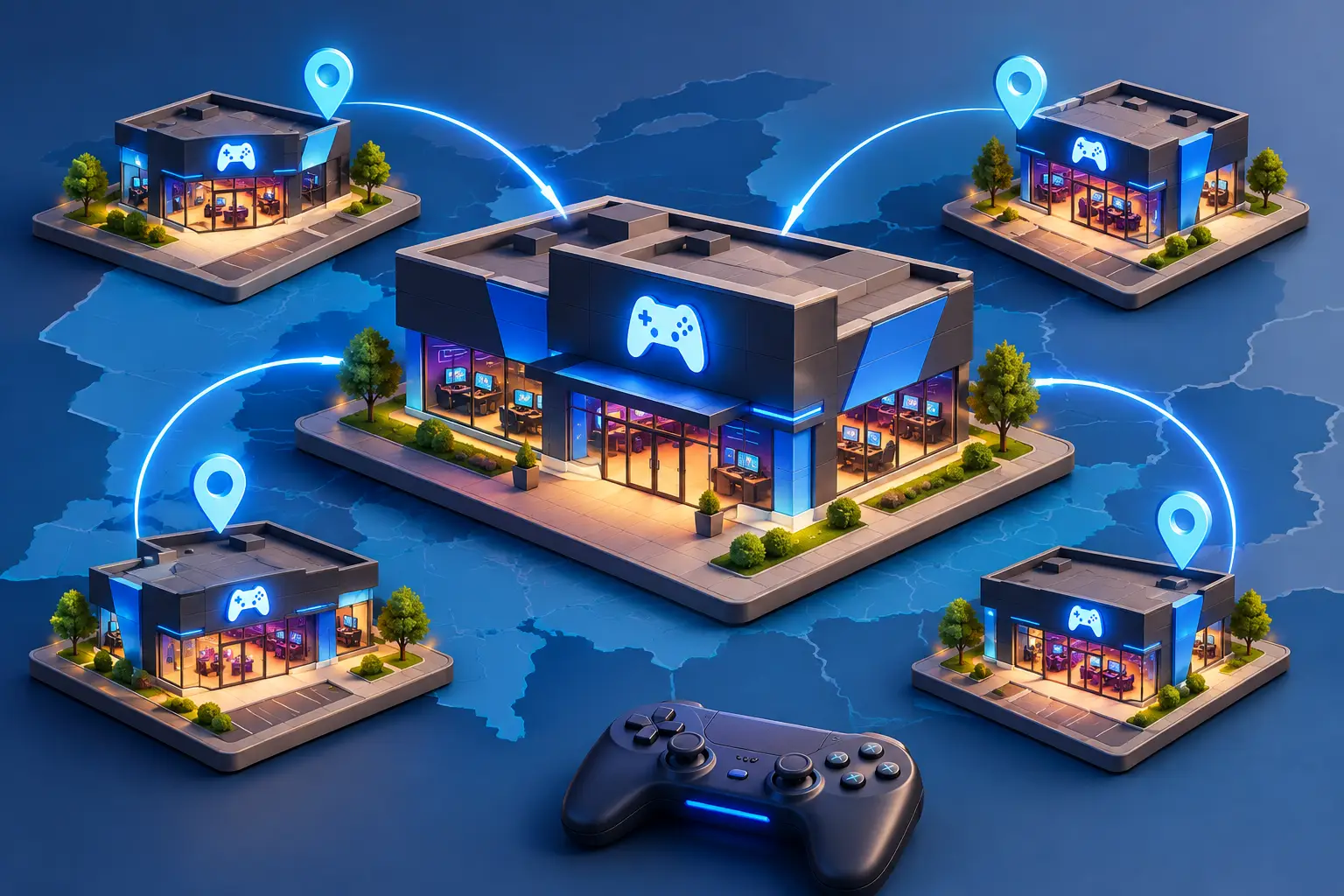
A gaming branding case is rarely judged by a single sign, brochure or promotional display. It is judged when a customer walks through the door, sees the same campaign message at reception, recognises the correct colours on a gaming floor, and finds clear wayfinding without noticing the production work behind it. For casinos, betting venues, arcade concepts and iGaming offices, physical branding has to be accurate, durable and ready for a fixed launch date.
That makes gaming branding a production challenge as much as a creative one. Campaigns can change quickly, regulatory messaging may need approval, and sites often operate long hours with limited installation windows. The strongest results come from treating every printed and installed item as part of one controlled rollout.
Why a gaming branding case needs operational control
Gaming businesses work in highly visible environments. Customers may spend hours in a venue or pass the same exterior several times a week. A faded window graphic, misaligned wall vinyl or out-of-date promotion does more than look untidy. It can weaken trust in a brand that depends on being seen as professional, current and well managed.
The practical challenge is scale. A campaign may require entrance graphics, floor decals, directional signage, counter displays, pull-up banners, menu-style promotional boards, staff material, event backdrops and branded merchandise. An office refresh can involve reception signs, privacy film, meeting-room graphics, wall coverings and wayfinding. If these elements are ordered separately, colour variations, different material choices and missed delivery dates become more likely.
A single production partner gives marketing, operations and facilities teams one accountable point of contact. Artwork checks, print specifications, finishing, delivery and installation can be planned against the same deadline rather than managed as separate jobs. This matters most when the launch date cannot move.
Start with the site, not just the artwork
A design file can look correct on screen and still fail at site level. Before production, the project team needs to understand where each item will sit, how customers move through the space and what practical restrictions apply.
For external signage, this includes viewing distance, lighting conditions, fixing surfaces, wind exposure and access equipment. An illuminated fascia sign may need a different approach from a temporary promotional banner, even when both carry the same campaign artwork. For interiors, considerations include wall condition, fire routes, cleaning regimes, glare from lighting and whether graphics need to be removed or replaced frequently.
A site survey is especially valuable where branding is being fitted around existing operations. It confirms measurements before materials are cut, identifies access constraints and helps installation teams schedule work around peak trading periods. It also avoids a familiar and costly problem: arriving with finished graphics that do not fit around doors, columns, sockets or existing fixtures.
Match materials to the job
Material selection should follow the required lifespan and site conditions. Short-term campaign graphics may suit removable vinyl or lightweight display systems. A permanent reception feature needs a more durable finish and dependable mounting method. High-traffic floor graphics require slip-resistant materials designed for regular cleaning, while window manifestations must maintain privacy and visibility requirements without blocking essential sightlines.
The lowest initial price is not always the lowest operational cost. Reprinting a poorly specified graphic, closing an area for corrective installation or replacing damaged signage early creates avoidable expense. It is better to agree the expected duration, cleaning conditions and replacement cycle at the start.
Build a rollout schedule backwards from opening day
Gaming promotions, venue launches and rebrands are date-led projects. The opening event, campaign start or compliance deadline sets the timetable. Production should be scheduled backwards from that point, allowing time for artwork approval, pre-press checks, printing, finishing, delivery and installation.
The critical path is often not the print run itself. It may be waiting for final copy approval, receiving landlord permission for an exterior sign, arranging access to a shopping centre, or coordinating electricians for illuminated signage. These dependencies need to be visible early, particularly where several suppliers are involved.
A workable production schedule identifies which items are essential for day one and which can follow as phase two. Core wayfinding, mandatory notices, exterior identification and customer-facing campaign displays normally take priority. Decorative elements, staff merchandise or secondary collateral can be scheduled separately if deadlines are tight. This approach protects the launch without lowering standards on items that customers and regulators need to see.
For urgent work, clear rush-fee terms and realistic production commitments are preferable to vague promises. A supplier should state what can genuinely be achieved, what approval time is required and whether installation capacity is available. Certainty is more useful than optimism when a venue opening is already booked.
Keep campaign consistency across every format
Brand guidelines often define logo use, typography and colour values, but physical production requires further decisions. Pantone references, CMYK conversions, substrate colour and finishing can affect the final appearance. The same red can look different on coated stock, fabric, acrylic, vinyl and a backlit sign if it is not controlled carefully.
A practical gaming branding case therefore needs an approved artwork pack for each application. That pack should specify finished sizes, bleed, safe areas, colour references, material, finish and fitting method where relevant. It should also make clear which version of each promotional message is current.
Version control matters when offers change frequently. Old campaign artwork should be identified and removed from production folders, while replacement graphics need a clear naming convention. A simple approval record can prevent a previous promotion appearing on a counter display after the new campaign has started.
For multi-site operators, standard templates reduce variation without making every location identical. Exterior sizes may differ, local wayfinding may need adjustment and landlord rules may vary, but the core message, visual hierarchy and production standards should remain consistent. Customers should recognise the brand immediately, whether they visit one venue or several.
Installation is part of brand delivery
A well-produced item can still look poor if it is installed carelessly. Bubbles in vinyl, uneven banner tension, exposed cable routes or signs fitted at inconsistent heights are visible to customers. They can also create maintenance and safety issues.
Installation planning should cover access times, loading arrangements, permits, surface preparation and any need to work outside public hours. Retail and hospitality-adjacent gaming locations may only permit disruptive work early in the morning or overnight. Teams should know in advance whether ladders, lifting equipment or specialist fixings are required.
On completion, a final site check should confirm that signs are level, graphics are clean, lighting is functioning and every approved item is present. Photographic sign-off is useful for remote stakeholders and future replacement orders. It creates a reliable record of what was installed, where it was fitted and which artwork version was used.
Plan for replacement, not just launch
Gaming environments do not stand still. Promotions rotate, compliance wording changes, venues are refreshed and seasonal events create new display requirements. A branding programme works better when replacement is planned into the original specification.
For example, a permanent framework with interchangeable graphics may be more efficient than rebuilding a display for every campaign. Standardised poster sizes, reusable banner hardware and retained artwork files can shorten future turnaround times. At the same time, permanent brand assets should be specified for durability so that they do not need constant attention.
This is where an ongoing production relationship has value. A supplier that understands the site, holds the correct specifications and knows the agreed colour and material standards can respond faster when a campaign changes. Printhub Malta supports this kind of work by combining print, signage, delivery and on-site installation under one coordinated process.
The useful question is not simply whether a graphic can be printed. It is whether the right version can be produced, delivered, fitted and checked at the right location before customers arrive. When that question shapes the brief from the beginning, gaming branding becomes easier to manage and much harder to get wrong.